Use cases

Worlds for any
domain

The psychology layer is domain-agnostic. Configure the world — school, boardroom, hospital, frontier. The engine handles everything else.

Game worlds

NPCs that
remember

Characters with real psychology, real schedules, and real consequences. No dialog trees. No scripted behavior. NPCs that live when the player isn't watching — and remember everything when they return.

  • Relationships that evolve based on player actions
  • NPCs that form alliances, rivalries, and romances independently
  • World history that accumulates — what happened, happened
  • Crisis arcs that activate from psychological pressure, not triggers
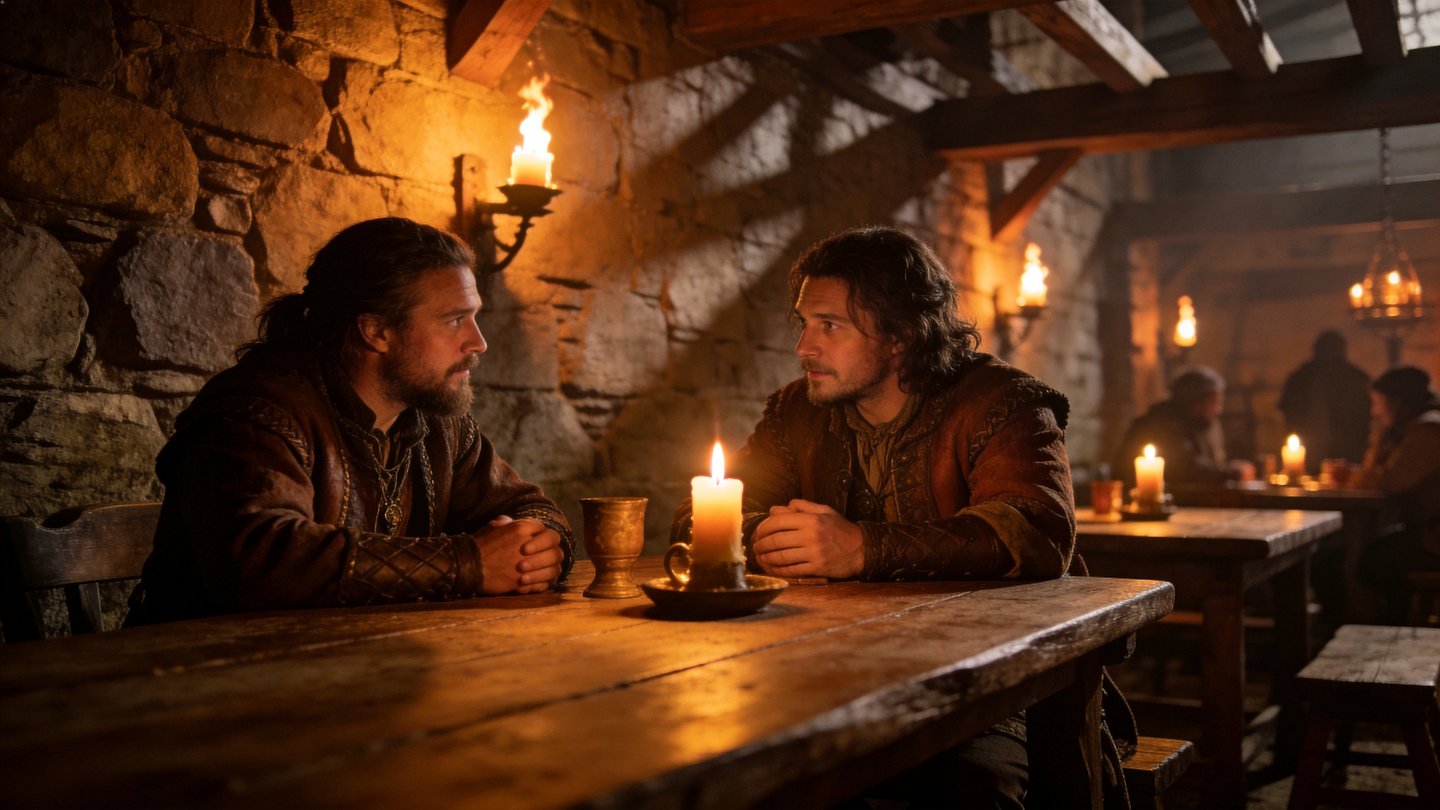
Game studiosOpen worldRPG
Game world
World running now
Frida → Julia
"honestly yeah. the checking thing — if you don't see it, does it mean I'm not worth seeing?"
00:03 · to_share · warmth 0.62
Magnus P → Frida
"evening's been quiet too. the kind where you're too tired to sleep."
00:07 · physical_intimacy · attraction 0.65
Johan → Magnus P
"tuesday at las brasas — been meaning to say something properly for a while."
00:10 · to_share · arc_momentum 0.80
Clinical training

Practice the
hard conversations

Simulate patient psychology for medical and therapeutic training. Patients with attachment styles, wounds, and defenses. Trainees practice difficult conversations with characters that respond as real patients do — not as scripts permit.

  • Patients with avoidant, anxious, or fearful attachment
  • Shame and guilt residues that surface under pressure
  • Crisis arc detection — when a patient is deteriorating
  • Scenario composer injects clinical events and stressors

Medical educationTherapy trainingMental health
Clinical training
Simulated patient
Patient profile
Attachment: fearful-avoidant. Wound: "I'm too much, and eventually people leave." Coping: deflects with humor, tests before trusting.
Session 3 · shame 0.72 · stress 0.64
Crisis arc — building
Accumulated shame threshold reached. Resolution type: avoidance. Trainee must navigate before withdrawal.
Trigger: isolation · intensity 0.68
Management training

Leadership under
real pressure

Simulate organisational dynamics with psychologically real employees. Practice performance reviews, difficult feedback, conflict mediation, and crisis leadership with characters who have real defensiveness, ambition, and fear.

  • Employees with Big5 profiles — conscientiousness, neuroticism, dominance
  • Workplace stress and burnout modeled through Maslow hierarchy
  • Team dynamics that emerge — alliances, resentments, trust networks
  • Decisions ripple — restructuring affects relationships weeks later

Leadership developmentHR trainingExecutive education
Management training
Scenario — performance review
Employee: Marcus, Senior Dev
Attachment: anxious. HDS: skeptical 78, diligent 81. Wound: never acknowledged for quality, only speed. Stress 0.71 this week.
Big5 N=72 · loneliness 0.58 · shame active
Trainee's last action
Opened with metrics before acknowledgment. Marcus's shame residue activated. He will deflect and minimise for the rest of the session.
Arc: avoidance building · trust −0.08
Social services

Families that
carry history

Train social workers and child protection professionals with simulated families that have real dynamics — cycles of behavior, attachment injuries, and the psychology of people under systemic pressure. No scripted outcomes.

  • Family worlds with intergenerational wounds and patterns
  • Children modeled with attachment responses to caregiver behavior
  • Crisis arc detection — escalation before it becomes visible
  • Worker decisions alter the family trajectory over simulated weeks
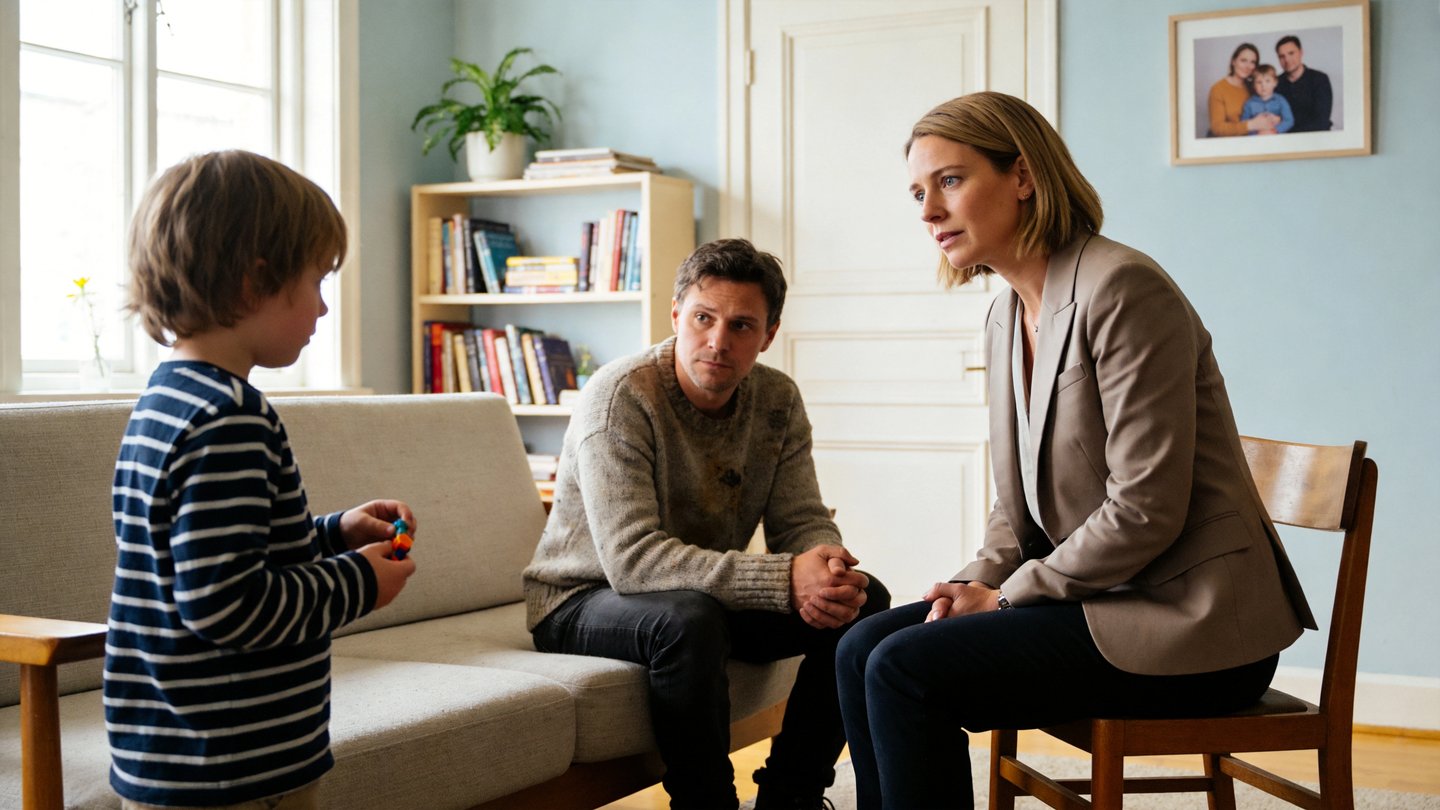
Social work educationChild protectionFamily support
Social services
Family world — week 3
Parent: Karim, 38
Attachment: disorganised. Stress 0.84. Last ate 14 hours ago. Employment lost week 1. Shame accumulating. Has not asked for help.
Maslow L1 active · crisis arc: building
Child: Nadia, 9
Checking for messages from father at school. Loneliness 0.71. Reaches out to teacher — first safe attachment signal in 3 weeks.
to_share need · warmth→teacher 0.44 → 0.52
Education

History that
lives

Configure historical worlds where students interact with figures who have real psychology, real motivations, and real social dynamics. Consequence-based learning — decisions ripple through the world.

  • Historical figures with period-accurate psychology and wounds
  • Social dynamics that emerge from configured relationships
  • Student decisions alter the trajectory of the simulation
  • No reset — consequences accumulate across sessions
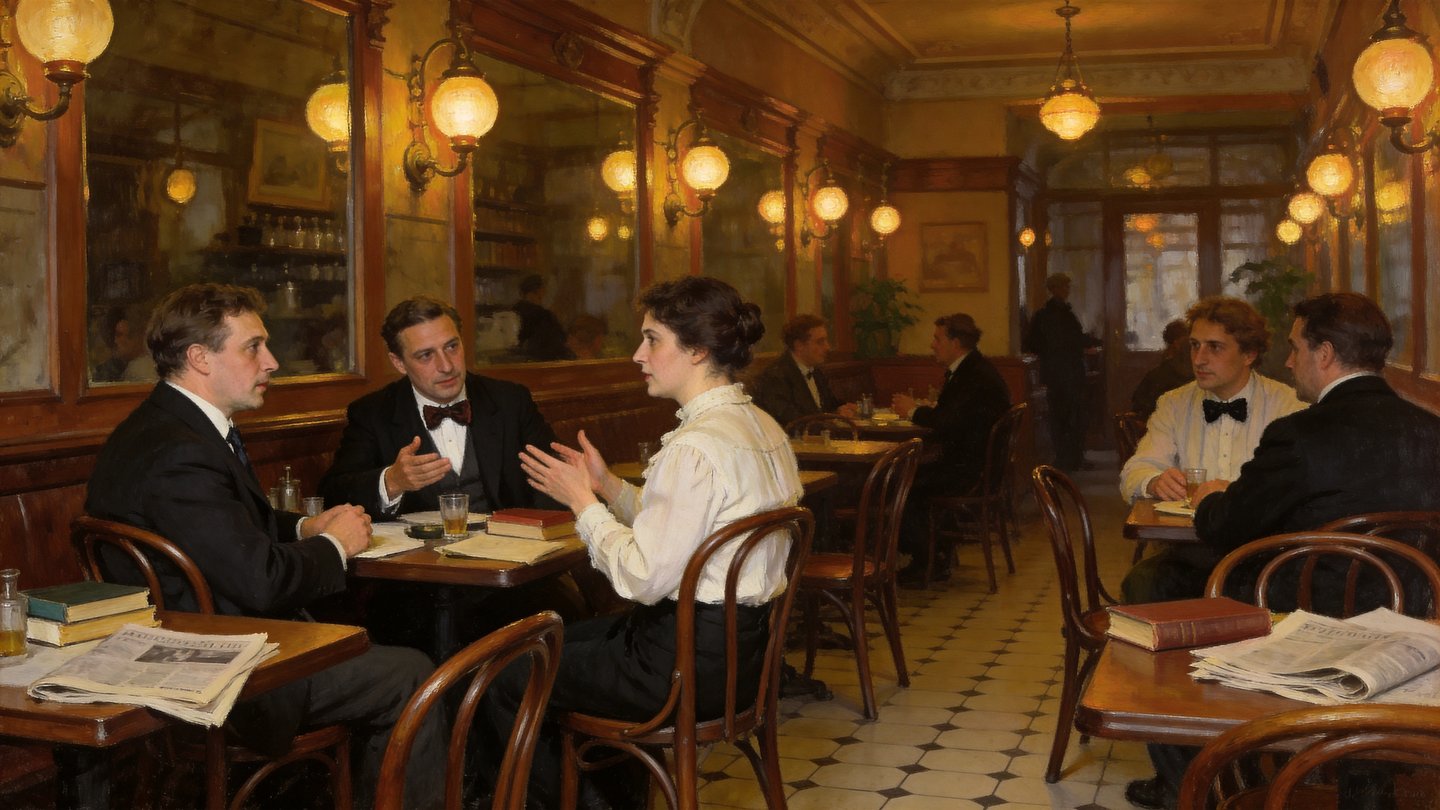
K-12Higher educationHistorySocial sciences
Education
Scenario — Vienna 1913
Five figures, one city
Same coffeehouses. Overlapping circles. Students observe and interact — but what happens, happens. No reset.
5 actors · consequence mode · history accumulates
Student introduces two figures
They never historically met. The relationship engine computes what follows. The world is now different from every other class.
arc_momentum: 0.0 → 0.41 · rel_type: strangers
All domains

Configure the world.
The engine handles the rest.

◎
Entertainment
Game worlds, interactive fiction, companion experiences
◈
Healthcare
Clinical training, therapy simulation, patient psychology
◉
Management
Leadership training, performance, organisational dynamics
⟷
Social services
Family dynamics, child protection, caseworker training
◇
Education
Historical worlds, social dynamics, consequence learning
○
Companionship
Continuous memory, real psychology, social world

Tell us your
world

We work with partners to configure simulation environments for specific domains. Tell us what you're building.

Request Access See the Platform